
Hawaiian Haze CBD Strain Guide: Origins, Flavor, Terpenes, and What Makes It Popular
Hawaiian Haze CBD Strain Guide: Origins, Flavor, Terpenes, and What Makes It Popular
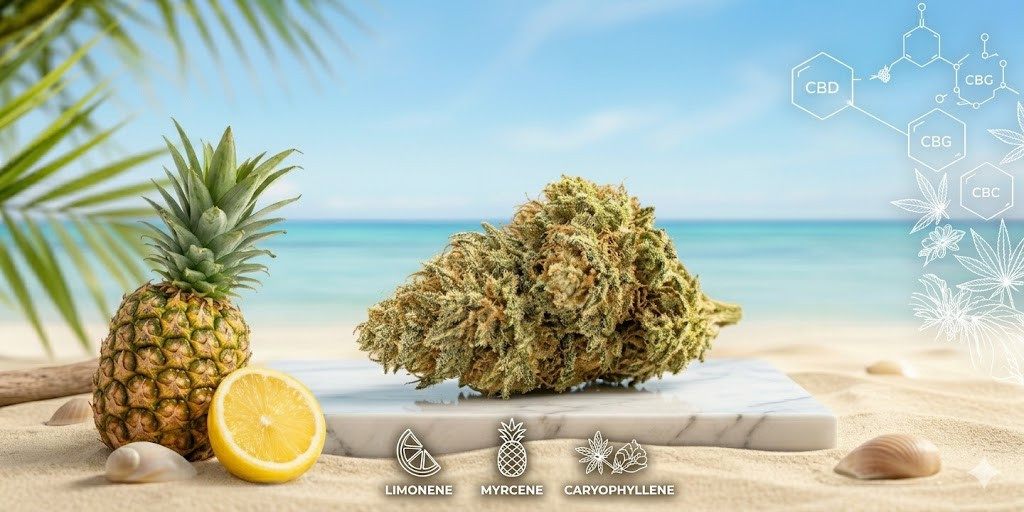
Hawaiian Haze CBD flower is one of the most recognizable hemp strains on the market today. Known for its tropical aroma, citrus-forward flavor profile, and uplifting hemp character, Hawaiian Haze has become a staple strain offered by hemp retailers across the United States.
Whether you're researching Hawaiian Haze CBD flower for the first time or comparing it against other popular hemp varieties, understanding its terpene profile, genetics, cannabinoid content, cultivation characteristics, and lab testing data can help you make more informed decisions.
If you're new to hemp flower in general, start with our guide to CBD buds and hemp flower. For a broader overview of popular strains, visit our CBD Flower Strain Guide.
What Is Hawaiian Haze CBD Flower?
Hawaiian Haze is a CBD-rich hemp strain known for its bright tropical aroma and citrus-heavy terpene profile. It is commonly classified as a sativa-leaning hemp variety and is often chosen by consumers who enjoy flavorful hemp flower with vibrant aromatic characteristics.
Unlike THC-dominant cannabis strains, Hawaiian Haze hemp flower is cultivated to remain compliant with federal hemp regulations while producing significant levels of cannabidiol (CBD). The USDA Domestic Hemp Production Program provides the federal framework that governs compliant hemp cultivation in the United States.
You can explore available strains in our CBD flower collection.
The Origins and Genetics of Hawaiian Haze
The exact lineage of Hawaiian Haze varies depending on the breeder, but the strain is generally associated with genetics selected for strong terpene production, aromatic complexity, and consistent CBD-rich cannabinoid profiles.
Like many modern hemp cultivars, Hawaiian Haze emerged during the expansion of the post-Farm Bill hemp market, when breeders began selecting genetics that offered more distinctive aromas and improved flower quality.
Research from agricultural hemp programs such as the Cornell University Hemp Program and the University of Kentucky Hemp Research Program continues to improve understanding of hemp genetics, cannabinoid production, and cultivar development.
Hawaiian Haze Aroma and Flavor Profile
One of the primary reasons Hawaiian Haze remains so popular is its aroma.
Many consumers describe Hawaiian Haze as having:
- Tropical fruit notes
- Sweet citrus aromas
- Pine undertones
- Floral characteristics
- Bright herbal complexity
Compared with earthier hemp strains, Hawaiian Haze often delivers a more vibrant and fruit-forward sensory experience. This has helped establish it as one of the most widely recognized tropical CBD flower varieties available.
To understand why aroma varies between strains, read our guide on CBD Flower Terpenes: Why Aroma Matters.
Common Terpenes Found in Hawaiian Haze
While terpene concentrations vary by harvest and cultivation method, Hawaiian Haze commonly contains several prominent terpenes that help define its characteristic aroma.
Myrcene
Myrcene is one of the most common cannabis terpenes and contributes earthy, herbal, and tropical fruit notes. Research published through the National Center for Biotechnology Information highlights myrcene as one of the dominant terpenes found throughout cannabis varieties.
Pinene
Pinene contributes fresh pine aromas and is commonly found in both hemp and other botanical species. Its crisp aromatic character often complements Hawaiian Haze's brighter citrus notes.
Caryophyllene
Caryophyllene is known for peppery and spice-like characteristics. It is one of the most studied cannabis terpenes and plays an important role in many hemp flower aroma profiles.
Limonene
Limonene contributes citrus-forward aromas that many consumers associate with Hawaiian Haze. Research available through PubMed terpene studies has helped document limonene's widespread presence throughout citrus-rich cannabis cultivars.
Cannabinoid Profile and Lab Testing
Like most premium hemp flower, Hawaiian Haze should be evaluated through laboratory testing rather than strain name alone.
A typical Hawaiian Haze cannabinoid profile may include:
- CBD
- CBDA
- Minor cannabinoids
- Legally compliant Delta-9 THC levels
The exact cannabinoid content varies from batch to batch, which is why reviewing Certificates of Analysis (COAs) remains essential.
You can review Green Nursery's COA and lab testing resources to better understand how hemp products are tested.
The FDA's cannabis and CBD guidance also emphasizes the importance of product transparency and accurate labeling.
How Hawaiian Haze Compares to Other CBD Strains
Hawaiian Haze is frequently compared to other popular CBD flower strains because of its strong terpene profile and broad availability.
| Strain | Primary Aroma | Common Characteristics |
|---|---|---|
| Hawaiian Haze | Tropical citrus | Bright, fruity, aromatic |
| Lifter | Earthy citrus | Balanced terpene profile |
| Sour Space Candy | Sweet fruit | Candy-like aroma |
| Sour Suver Haze | Citrus and diesel | Complex aromatic profile |
| Sapphire Kush | Earthy and floral | Richer terpene expression |
You can continue comparing strains through our guides to Lifter, Sour Space Candy, Sour Suver Haze, and Sapphire Kush.
What to Look for in High-Quality Hawaiian Haze Flower
Quality evaluation should extend beyond strain names and marketing descriptions.
When evaluating Hawaiian Haze hemp flower, consider:
- Third-party lab testing
- Terpene profile transparency
- Visible trichome development
- Fresh aroma
- Proper curing and storage
- Detailed batch information
Premium hemp flower should provide verifiable information that allows consumers to compare products objectively.
Browse our current premium hemp flower collection to compare available strains.
Understanding Hawaiian Haze COAs and Lab Reports
Certificates of Analysis provide one of the most reliable ways to evaluate Hawaiian Haze CBD flower.
A quality COA may include:
- Cannabinoid percentages
- Delta-9 THC compliance
- Terpene analysis
- Heavy metal screening
- Pesticide testing
- Microbial testing
Rather than relying solely on strain names, experienced hemp consumers often compare products using laboratory data.
For a deeper understanding of testing, read:
- Can Lab Reports Help You Choose a CBD Strain?
- How to Read a CBD Flower Lab Report
- Why Third-Party Testing Matters
- Red Flags on a CBD Flower COA
Why Hawaiian Haze Remains So Popular
Hawaiian Haze has maintained its popularity because it offers a combination of factors that many hemp consumers value:
- Recognizable tropical aroma
- Strong citrus terpene profile
- Broad availability
- Consistent hemp genetics
- Easy comparison across retailers
Its reputation has helped establish Hawaiian Haze as one of the foundational strains within the modern CBD flower market.
If you're comparing available products, visit our customer reviews page or browse our CBD FAQ section for additional educational resources.
Frequently Asked Questions About Hawaiian Haze CBD Flower
What is Hawaiian Haze CBD flower?
Hawaiian Haze is a CBD-rich hemp strain known for tropical fruit aromas, citrus-forward terpenes, and broad popularity among hemp consumers.
What does Hawaiian Haze smell like?
Many consumers describe Hawaiian Haze as having tropical fruit, citrus, floral, pine, and sweet herbal notes.
What terpenes are commonly found in Hawaiian Haze?
Myrcene, pinene, caryophyllene, and limonene are commonly reported among Hawaiian Haze terpene profiles.
How can I verify Hawaiian Haze quality?
Review third-party lab reports, terpene analyses, cannabinoid testing, cultivation information, and overall flower quality indicators.
Is Hawaiian Haze one of the most popular CBD strains?
Yes. Hawaiian Haze remains one of the most recognizable and widely available CBD flower strains offered throughout the hemp industry.
Final Thoughts
Hawaiian Haze CBD flower has earned its place as one of the most recognizable hemp strains available today. Its tropical aroma, citrus-forward terpene profile, widespread availability, and consistent popularity make it a valuable reference point for anyone learning about CBD flower strains.
As with any hemp product, the best approach is to evaluate laboratory testing, terpene composition, cultivation quality, and freshness rather than relying solely on strain names. When viewed through that lens, Hawaiian Haze serves as an excellent example of why terpene-rich hemp flower continues to attract attention across the CBD market.
To continue exploring hemp genetics and strain comparisons, visit our CBD Flower Strain Guide or browse our current CBD flower collection.
Popular Products
Check out these customer favorites.