
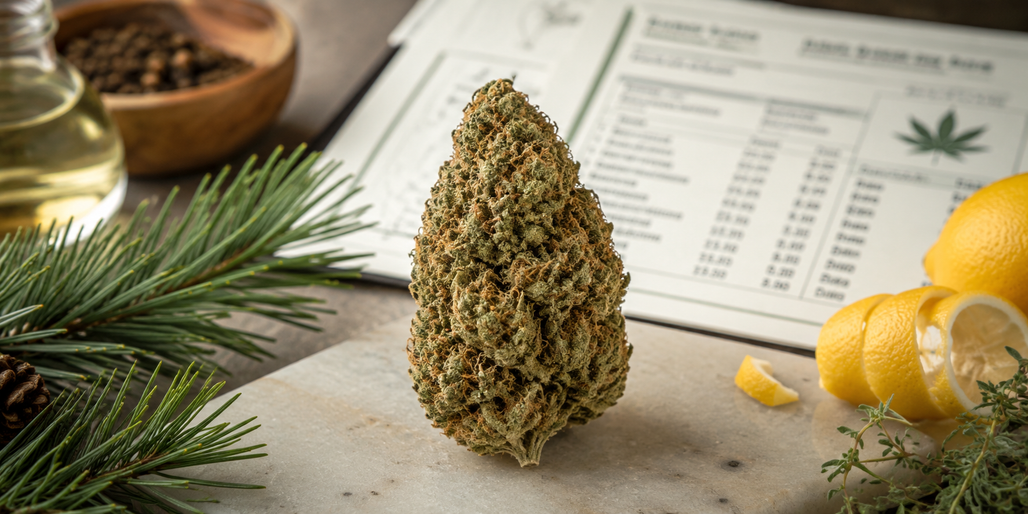
Lifter CBD Strain Guide: Origins, Terpenes, Flavor Profile, Effects, and Why It's a Popular Hemp Flower
Lifter CBD Strain Guide: Origins, Terpenes, Flavor Profile, and Why It's a Popular Hemp Flower
Lifter CBD flower is one of the most recognizable hemp strains in the CBD industry. For many consumers, it serves as an introduction to premium hemp flower because it is widely available, terpene-rich, and consistently featured by hemp growers across the United States.
Whether you're researching your first hemp flower purchase or comparing multiple CBD strains, understanding the Lifter CBD strain can help you make a more informed decision. This guide explores Lifter's origins, genetics, aroma profile, terpene composition, cannabinoid content, cultivation characteristics, and how laboratory testing can help verify quality.
For a broader overview of hemp flower, start with our guide to What Are CBD Buds?. You can also explore our complete CBD Flower Collection and compare current strain offerings.
What Is Lifter CBD Flower?
Lifter is a CBD-rich hemp flower strain known for its distinctive aroma, strong terpene profile, and attractive flower structure. It has become one of the foundational strains in the modern hemp market and is often compared with popular varieties such as Hawaiian Haze, Sour Space Candy, Sour Suver Haze, and Bubba Kush.
The Lifter CBD strain is typically cultivated for high CBD content while maintaining compliant Delta-9 THC levels. This balance has helped make it one of the most recognized hemp flower strains among both new and experienced consumers.
The Origins and Genetics of Lifter
Lifter was developed through hemp breeding programs focused on producing CBD-rich flower with strong aroma, attractive bud structure, and consistent cannabinoid expression. While exact lineage details can vary by breeder, Lifter is commonly associated with Suver Haze and Early Resin Berry genetics.
The result is a hemp strain that combines reliable CBD production with a distinctive aroma profile. Growers continue cultivating Lifter because it has become a familiar benchmark strain for comparing hemp flower quality, terpene expression, and overall consistency.
The Cornell Hemp Program, Penn State Extension hemp resources, and University of Kentucky hemp resources provide helpful background on hemp genetics, cultivation, and cannabinoid production.
Is Lifter an Indica, Sativa, or Hybrid?
Lifter is often described as a sativa-leaning hemp strain due to its market positioning, aroma profile, and growth characteristics. However, indica, sativa, and hybrid labels are best understood as general descriptions rather than laboratory-confirmed categories.
A Certificate of Analysis does not determine whether a strain is indica or sativa. Instead, a COA measures cannabinoids, terpenes, THC levels, and product quality indicators. For that reason, terpene analysis and cannabinoid testing often provide more useful information than traditional strain labels when comparing hemp flower.
Lifter Aroma and Flavor Profile
The Lifter aroma is often described as earthy, citrus-forward, slightly funky, and occasionally sweet. Many consumers also notice subtle notes of pine, fresh herbs, fuel, and floral undertones.
Its complex aroma comes primarily from terpene content rather than cannabinoid percentages alone. Two Lifter batches with similar CBD levels may smell noticeably different if their terpene profiles vary.
The flavor profile often mirrors the aroma, with common descriptions including:
- Citrus and lemon notes
- Earthy hemp characteristics
- Pine-like freshness
- Subtle herbal complexity
- Occasional sweet or fruity undertones
Common Terpenes Found in Lifter
Terpenes are naturally occurring compounds responsible for much of hemp flower's aroma and character. Research available through the National Center for Biotechnology Information discusses how terpenes contribute to the chemical diversity of cannabis and hemp varieties.
Myrcene
Myrcene contributes earthy, herbal, and slightly musky aromas. It is commonly found in hemp and cannabis cultivars and may contribute to Lifter's richer aromatic base.
Caryophyllene
Caryophyllene often contributes peppery, spicy, and woody notes. It can add complexity to Lifter's earthy and slightly funky profile.
Pinene
Pinene provides fresh pine and forest-like aromas. This terpene can help explain the crisp, bright side of Lifter's scent profile.
Humulene
Humulene adds earthy and herbal complexity. When present alongside myrcene and caryophyllene, it can contribute to the layered aroma many consumers associate with Lifter CBD flower.
For a deeper look at terpene science, see our guide on CBD Flower Terpenes: Why Aroma Matters.
Cannabinoid Profile and Lab Testing
Like most premium hemp flower strains, Lifter is typically cultivated for high CBD content while maintaining compliant Delta-9 THC levels. The USDA Domestic Hemp Production Program provides the federal framework used to distinguish hemp from marijuana based on Delta-9 THC concentration.
| Compound | Common Purpose on a COA |
|---|---|
| CBD | Primary cannabinoid measured in hemp flower |
| CBDA | Naturally occurring precursor to CBD |
| Delta-9 THC | Important hemp compliance measurement |
| THCA | Acidic cannabinoid commonly reported on hemp COAs |
| CBG | Minor cannabinoid occasionally present |
Before purchasing any Lifter CBD flower, consumers should review available Certificates of Analysis and lab reports to verify cannabinoid content, THC levels, and testing information.
How Lifter Appears on a Lab Report
A Lifter COA can help shoppers move beyond strain descriptions and review measurable product data. This is especially useful because hemp flower is agricultural, and each batch may vary slightly depending on genetics, growing conditions, harvest timing, and curing quality.
| COA Category | Why It Matters for Lifter |
|---|---|
| CBD Content | Confirms cannabinoid potency |
| THC Testing | Helps verify hemp compliance |
| Terpene Analysis | Shows aroma-driving compounds |
| Heavy Metals | Screens for environmental contamination |
| Pesticides | Helps verify product purity |
| Microbials | Checks for mold, yeast, and related contaminants |
Laboratory quality also matters. ISO/IEC 17025 is commonly used to evaluate testing and calibration laboratory competence. The FDA's cannabis and CBD guidance also highlights why product transparency and accurate labeling matter for cannabis-derived products.
How Lifter Compares to Other Popular CBD Strains
| Strain | Known For | Common Aroma Profile |
|---|---|---|
| Lifter | Balanced terpene profile | Citrus, earthy, pine |
| Hawaiian Haze | Tropical aroma | Fruit, citrus, floral |
| Sour Space Candy | Sweet complexity | Fruit, candy, citrus |
| Bubba Kush | Kush-style profile | Earthy, coffee, spice |
| Sour Suver Haze | Bold terpene content | Citrus, diesel, earth |
Rather than relying solely on strain names, consumers should compare cannabinoid percentages, terpene content, cultivation quality, freshness, and lab testing results.
For more strain education, see our CBD Flower Strain Guide, along with individual guides for Hawaiian Haze, Sour Space Candy, Sour Suver Haze, and Bubba Kush.
What to Look for in High-Quality Lifter Flower
Not every Lifter batch will be identical. Quality can vary depending on genetics, cultivation methods, curing practices, storage conditions, and harvest timing.
High-quality Lifter hemp flower often shows:
- Strong aroma and terpene presence
- Visible trichome coverage
- Proper moisture content
- Consistent trimming
- Fresh appearance
- Current third-party testing
- Accessible Certificates of Analysis
Consumers should also verify that contaminant testing includes pesticides, heavy metals, microbial screening, and other safety metrics. For more testing context, read Why Third-Party Testing Matters and Red Flags on a CBD Flower COA.
Understanding Lifter COAs and Lab Reports
A Certificate of Analysis provides objective data about a specific hemp flower batch. Instead of relying solely on marketing descriptions, shoppers can use laboratory results to compare strains more accurately.
When reviewing a Lifter COA, check:
- CBD and CBDA percentages
- Delta-9 THC compliance
- THCA and total THC information when available
- Terpene analysis
- Pesticide screening
- Heavy metal testing
- Microbial testing
- Batch number and testing date
For more guidance, read Can Lab Reports Help You Choose a CBD Strain? and How to Read a CBD Flower Lab Report.
Frequently Asked Questions About Lifter CBD Flower
What is the Lifter CBD strain?
Lifter is a CBD-rich hemp flower strain known for its citrus, pine, earthy, and slightly funky aroma profile. It is one of the most widely recognized hemp strains in the CBD market.
Is Lifter CBD flower indica or sativa?
Lifter is generally described as sativa-leaning, but lab reports do not measure indica or sativa classification. COAs measure cannabinoids, terpenes, THC levels, and other product data.
What terpenes are commonly found in Lifter?
Myrcene, caryophyllene, pinene, and humulene are among the common terpenes associated with Lifter CBD flower.
Can lab reports help compare Lifter to other strains?
Yes. COAs can provide objective information about cannabinoid content, terpene profiles, THC levels, and contaminant testing, making strain comparisons more useful.
Where can I find lab-tested Lifter hemp flower?
You can browse our CBD flower collection, review available COAs, and check customer feedback on our reviews page.
Final Thoughts
The Lifter CBD strain remains one of the most important hemp flower varieties in the industry. Its recognizable aroma, terpene-rich profile, reliable cannabinoid production, and widespread availability have helped establish it as a benchmark strain for hemp consumers.
Whether you are comparing Lifter to Hawaiian Haze, Sour Space Candy, Bubba Kush, or other CBD flower strains, the most effective approach is to combine strain knowledge with objective laboratory data. By reviewing terpene profiles, cannabinoid content, cultivation quality, and current COAs, consumers can make more informed hemp flower decisions.
Disclaimer: This article is for educational purposes only and is not medical or legal advice. Hemp regulations and product specifications may vary by jurisdiction.
Popular Products
Check out these customer favorites.